
Shop categories & filters
Shop by category
Filter by price
Strain type
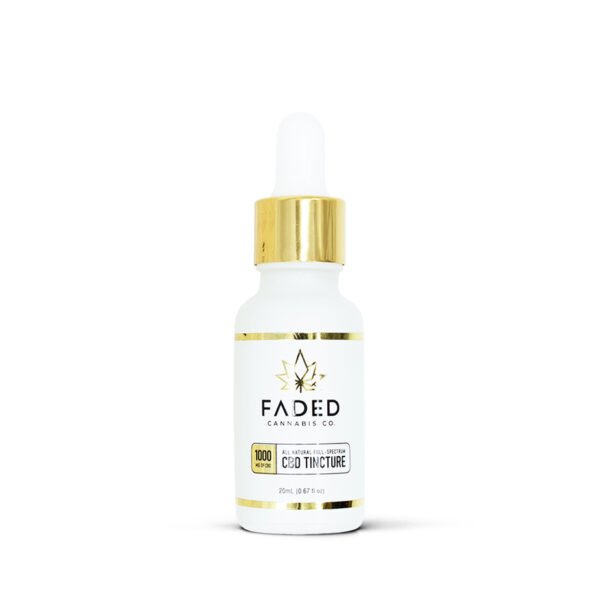

Buy cbd tinctures & topicals online in Canada
What it is
This page covers two related but distinct CBD formats: tinctures, which are alcohol- or oil-based extracts taken orally by the dropper, and topicals, which are balms, creams and salves applied directly to the skin over a specific area rather than absorbed into the bloodstream. Topicals target localized discomfort — sore muscles, joints, skin irritation — without producing any systemic or intoxicating effect at all.
The two formats are grouped together here because they are often used side by side: a tincture for a general daily CBD routine, a topical applied on top of a specific sore spot for extra localized relief.
Neither format is intoxicating, which is part of why this page appeals to shoppers who want a CBD routine that fits around work, driving or looking after kids without any impairment to plan around. A tincture bottle and a topical tin both sit comfortably in a bathroom cabinet or gym bag, ready whenever a routine dose or a sore spot calls for one.
Who it suits
Tinctures on this page suit a general daily CBD routine the same way any oil drop product does; topicals specifically suit anyone managing localized discomfort — a sore shoulder from exercise, stiff knees, mild skin irritation — who wants relief applied directly rather than absorbed systemically through the whole body.
How to choose & what it costs
If you want a whole-body, systemic effect (general calm, sleep support), a tincture is the right choice; if you want relief concentrated on one specific spot — a sore shoulder, an aching knee — a topical is the better fit since it works locally and largely does not enter the bloodstream. Many customers keep both on hand for different situations.
Tinctures on this page run $30–$60 depending on mg and bottle size, while topical balms and creams typically run $25–$45 per tin or tube, with concentration and jar size driving the price within each format.
Grading & quality signals
For tinctures, apply the same mg-per-mL and dropper-marking checks used across the rest of the CBD catalogue; for topicals, check the total mg per tin or tube against the size of the container, and look for a texture description (balm versus cream) that matches how you actually intend to use it — a thick balm for a joint you want coverage to last longer, a lighter cream for faster absorption.
Onset, duration & effects
A tincture held sublingually can act in 15–45 minutes; topicals applied to skin typically take 15–30 minutes to produce a noticeable localized effect and can be reapplied as needed since they are not absorbed systemically the way an oral product is.
Flavour & format notes
Tinctures carry the standard mild earthy tincture taste; topicals have no oral flavour consideration at all since they are applied to skin, though some carry a light herbal or menthol scent depending on added ingredients, which is worth checking if you are sensitive to strong scents.
Storage & freshness
Keep tinctures capped and away from direct light, as with any oil-based extract; store topicals at room temperature with the lid sealed tightly to prevent the balm from drying out, and avoid leaving either in a hot car.
Shipping & payment across Canada
Checkout takes two payment methods, e-Transfer or Bitcoin, and choosing Bitcoin trims 10% off your order total right away.
Tinctures ship the same protected way as any dropper bottle; topical tins and tubes ship sealed and cushioned against crushing, both travelling in the same plain unmarked outer box by tracked Xpresspost.
First order tips
For a first tincture dose, start with the smallest marked amount on the dropper as you would with any CBD oil; for a first topical application, use a small test area on the skin you intend to treat before covering the full area, both to confirm you like the texture and scent and to rule out any skin sensitivity.
Common mistakes to avoid
Applying too little topical to actually cover the affected area evenly is a common way people underwhelm themselves with a product that would otherwise work fine — use a generous, even layer rather than a token dab. Expecting a topical to produce any systemic, whole-body calming effect the way a tincture does is the other common misunderstanding, since topicals largely stay local to where they are applied.
Dosing & titration
For the tincture side, titrate the same way you would any oil drop — smallest marked amount first, held for a few days before increasing. For the topical side, dosing is really about coverage and frequency rather than mg precision: apply a generous, even layer over the affected area and reapply every few hours as needed, since a topical is not absorbed systemically the way an oral product is and there is little risk in reapplying more often.
How it compares to other formats
Against an oral CBD oil taken alone (see our CBD Oil & Tears page), this combined page adds the topical option for anyone who wants localized relief on top of, or instead of, a general daily routine. Against a CBD edible, a topical produces no systemic calming effect at all, which is the trade-off for concentrating relief exactly where it is applied.
Price-per-mg & value math
A $40 tincture bottle at 20mg/mL (600mg total) works out to about $0.067 per mg, while a $35 topical tin typically contains 300–500mg spread through a jar meant to last weeks of regular application — the two are not really comparable on a strict per-mg basis since one is swallowed and one is applied externally, but both represent reasonable value within their own format.
Discreetness & travel notes
A dropper bottle travels the same discreet way as any CBD oil; a topical tin or tube looks like an ordinary balm or cream in a bag or medicine cabinet and produces little to no noticeable scent depending on the formulation. Neither should cross a provincial or international border into a jurisdiction with different cannabis rules.
Frequently asked questions
Do CBD topicals get absorbed into the bloodstream?
Very minimally — topicals work mostly at the site of application, which is why they do not produce the systemic calming effect an oral tincture does.
Can I use a topical and a tincture at the same time?
Yes, many customers use a tincture for a general daily routine and a topical for a specific sore spot — the two do not interact negatively.
How often can I reapply a CBD topical?
As needed throughout the day; since it is not systemically absorbed in meaningful amounts, there is little risk in reapplying every few hours.
Will a CBD topical show up on a drug test?
Unlikely given the minimal systemic absorption, but if you are subject to regular testing, choose an isolate-based, THC-free product to be safe.
What is the difference between a balm and a cream?
A balm is typically a thicker, wax-based formulation that sits on the skin longer; a cream absorbs faster and feels lighter — both deliver CBD topically.
Can a topical be used on broken or irritated skin?
Avoid applying to broken skin or open wounds; topicals are formulated for intact skin, and any unusual irritation on application should prompt discontinuing use.
How much topical should I use per application?
Use enough to cover the affected area evenly in a thin, generous layer, similar to how you would apply a normal muscle rub; more product does not necessarily mean more relief, since it works locally at the skin surface.
Can I use a topical before or after exercise?
Many people apply a topical after activity to a sore or tight area; there is no specific rule against using it beforehand either, so timing generally comes down to personal preference.
CBD Tinctures & Topicals — Pairing a daily tincture with an as-needed topical covers both general wellness and specific localized relief. Keep browsing: CBD · CBD Oil & Tears · Tinctures.